Emotional Regulation Is a Skill—Not a Personality Trait
Today’s blog is one I had to go digging for.
There wasn’t a current sports event that naturally fit the TeamsOfMen framing, so I went into my MUST REMEMBER folder on Instagram. When I scroll, I screenshot, email myself, or tag posts that I know will matter later—even if I don’t yet know how or when.
This one stood out.
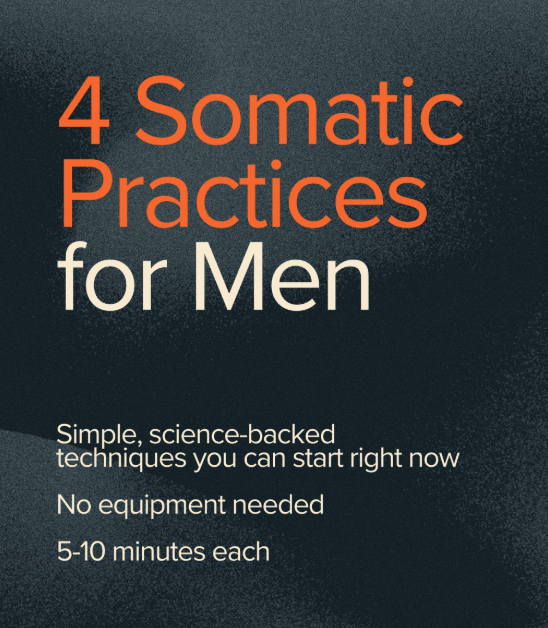
It’s a departure from our usual group dialogue prompts and instead offers something more personal: actual tools (courtesy of A Call To Men) for processing and releasing built-up emotional overflow—whatever form that overflow takes.
I was first introduced to this type of work while reading My Grandmother’s Hands by Resmaa Menakem, which explores the idea of somatic abolition. One of the most important takeaways from that book was this paradox: if you claim to be an expert in somatic abolition, you are not an expert.
So I won’t pretend to be one here.
What I will do is invite you to read these practices—with yourself, your staff, and your players—and decide what resonates.
Because emotional regulation is not just intellectual. It’s physiological. It lives in the body.
We spend so much time teaching our athletes what to do with their minds—film study, scouting reports, decision-making under pressure—but how often do we teach them what to do with their nervous systems? How often do we give them tools to come down from rage, anxiety, fear, or overwhelm?
In my own self-work, I’ve found that some of these practices fit my capacity better than others. That’s part of the process. There is no one-size-fits-all approach. But if we are serious about helping young men escape the manbox, we can’t just teach them how to think differently. We have to help them learn how to feel differently.
Process differently. Recover differently.
This could be something you share directly with your team. Or it could simply be the doorway that leads you deeper into your own work.
Either way, the body keeps score.
And the body can also help us heal.
Coach Prompts
How do you currently teach emotional regulation in your program—intentionally or accidentally?
What do your players do physically when they’re overwhelmed, angry, or anxious?
Do you model emotional regulation—or just demand it?
Player Prompts
What does your body feel like when you’re angry, anxious, or overwhelmed?
What do you usually do to calm yourself down—and does it actually work?
Have you ever reacted in a way you later regretted because you couldn’t regulate your emotions?