“He’s a good kid” is NOT a prevention strategy
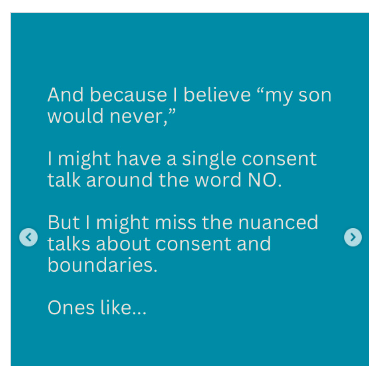
Today’s blog is from my seeing a deep post from @mandiptalkspredators on Instagram. It landed with me because while the frame she uses is in terms of “boy moms” (and a very appropriate one if you ask me) I think the protection and “blindspot” issue correlates to the relationship we as coaches have with our guys as well.
We WANT to believe in the inherit goodness in them.
We WANT to believe they are incapable of causing harm off the field.
We WANT to believe in our statement, “We have great guys in this room.”
We want to believe so badly that, like the post presents about boy moms, we SETTLE for simple one off statements “warning” our guys of dangers in the world and then decide “that’s all I need to do. He got it. He’s a good kid.” Then, unfortunately, we are take aback, shocked, and derailed by the acts our “good kids” commit away from our gaze and say things like “I can’t believe it” or “He’s not like that. He’s never shown any sign of being capable of doing that.”
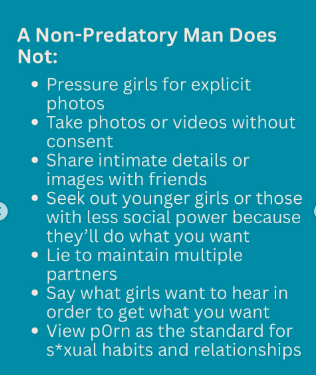
I know I can point to behaviors on that list that many of my players—past and present—have at least dabbled in. Some were probably professionals at them. And if I'm being honest, my younger coaching self often walked right past those clues. I pretended I didn't see them. I convinced myself I couldn't possibly connect those behaviors to larger patterns. I refused to acknowledge the full reality of that kid, all while excusing him in my own mind because he sweated a lot, played hard, and said "Yes sir" at practice.
That's the blind spot.
The kid who says "Yes sir" can still struggle with boundaries. The kid who dives on the floor can still pressure girls for photos. The kid who shows up early can still lie to partners. The kid who is beloved by teammates can still consume unhealthy messages about relationships, consent, and power.
The point isn't that our players are predators. The point is that "good kid" is not a prevention strategy.
That's the type of framing—and course correction—we want TeamsOfMen coaches to experience. We want coaches to move from "My guys would never" to "What conversations am I not having because I assume my guys would never?"
I feel this issue in my soul because I see examples of it playing out in front of me. Not always the extreme examples. Not always the criminal ones. But the everyday attitudes, jokes, pressures, assumptions, and behaviors that create the conditions for harm long before harm ever occurs.
And if you're reading this thinking, "I see it too, but I'm not sure what to do about it," that's exactly the point.
I see this.
I feel this.
I'm not sure how to take action on it.
I know a place where I can find the courage, information, and curriculum to start doing something about it.
Coach Prompts
What behaviors have you dismissed in athletes because they were otherwise "good kids"?
How can coaches challenge harmful attitudes before they become harmful actions?
What conversations are you currently not having because you assume your players already understand the topic?
Player Prompts
Can someone be a good teammate and still have unhealthy beliefs about relationships?
What does respecting boundaries look like in everyday situations, not just serious ones?
Why is it dangerous to assume that only "bad people" cause harm?