If You Want Better Men, Give Them Better Words
I picked this post today because it’s either #1 or #2 on my list of things I feel most urgent about delivering to male athletes. I know they’re going to be in circles with one another — locker rooms, huddles, hallways, group chats — and in those circles someone is going to say something hurtful disguised as “just joking.” And in that 2–5 second window, the real work of TeamsOfMen is needed.
That’s the moment a teammate has to choose: Do I laugh nervously? Do I let it slide? Or do I say something that actually reflects who I want to be?
This is the pain point young men name for me more than any other:
-“What am I supposed to say, Coach?”
-“I still want him to be my boy… but I don’t agree with what he said.”
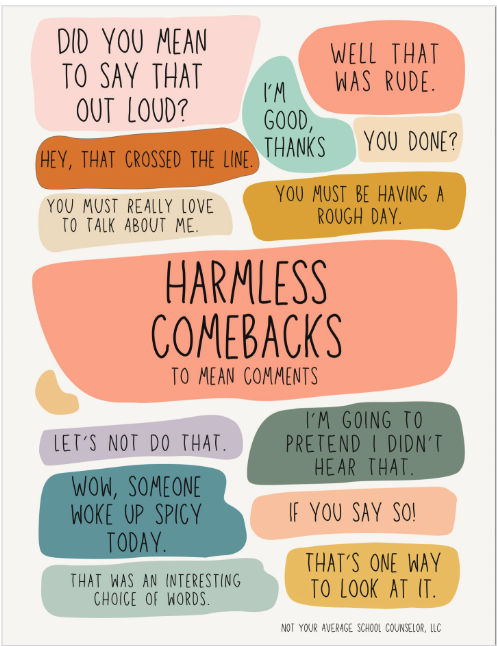
THIS list — from @notyouraverageschoolcounselor — is exactly the kind of tool we need to put in their pockets. Not because every phrase will feel natural. Not because they’ll all work in every scenario. But because they give young men options. They help them find language to match the character they’re trying to build.
Which ones feel most natural for your guys? Which ones don’t? What variations can they create that sound like them? That’s the work.
And honestly, this should be up on a wall in every team room in America. I’m kicking myself — we just rebranded our hallway and I love what we used, but I should’ve posted something like this somewhere too.
If we want young men to stand for something, we have to give them the words that help them stand.
COACH PROMPTS
When your players hear something harmful, do they have actual language ready — or only silence?
What phrases from this list fit your team culture, and how will you practice them?
How might posting this visual in your team room shift your locker-room norms?
PLAYER PROMPTS
Which comeback on this list feels most natural for you to say in the moment?
What stops you from speaking up when a teammate crosses a line?
How would your friendships change if honesty and care were normal — not exceptions?