
‘Interrupting’ Habits: A Challenge for Coaches and Athletes
I know, I know. The blog has been dormant for a week. That is entirely on me.
I was back in Montana, wearing my other hat as the president of the Kas Ioane Foundation (my brother and my project to help honor the legacy of our dad and establish a non profit that gives back to the community he loves). The past 7 days were full of events, including our 136 golfer scramble at his home course that serves ar our primary fundraiser, and I had to practice what I preach so to speak, and put down things I couldn’t carry so I could be more present for urgent matters of the moment.
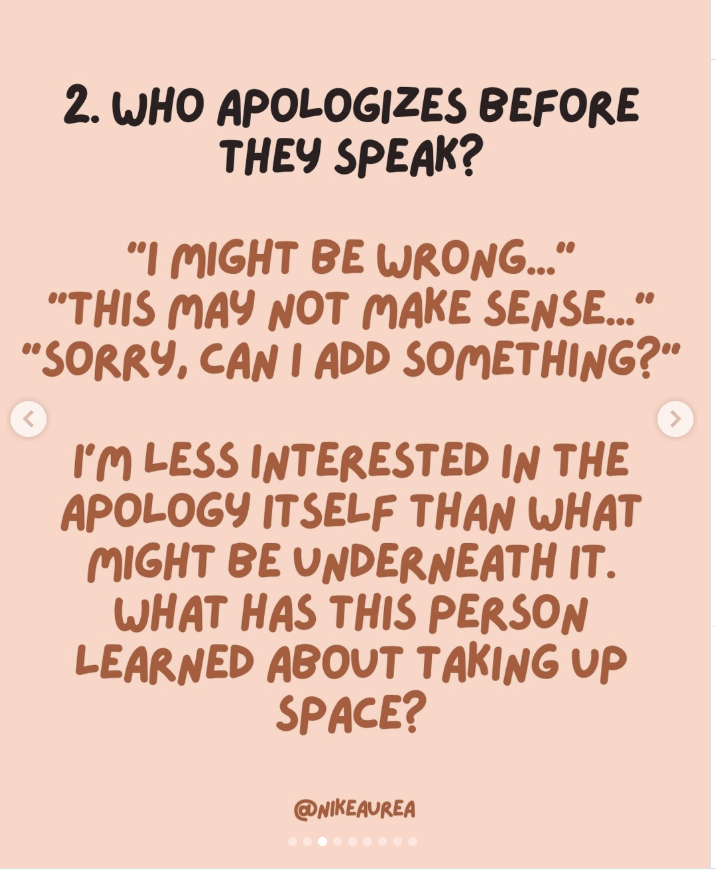
But, I’m back now and this post had me thinking of not only our team rooms and bus trips (and the various voices of our team in those spaces) but also in the staff rooms where we lead coaches (of various status, identity and experience) in conversation. I LOVE the 7 slides the original author (@nikeaurea) posits to the audience and think they will lead to a literal walk through with yourself imagining what your usual spaces sound like.
I especially interested, for my program and approach, in diving into the slide that asks “Who gets interrupted the most” as I can see myself more often than not interrupting a younger assistant (and that may or may not be something I need to correct).
If you want to run this with your guys, I think it’s worth having them imagine a classroom their in, a family dinner they are at or even in the car with their boys on the way to a movie and ask “What convo is shut down? What convo is engaged in? What convo is met with silence?” and then see where the rest of the session takes you.
Coach Prompts
Reflecting on our last staff meeting, identify one moment where you may have interrupted an assistant coach. What were you trying to achieve in that moment, and how did it impact their contribution?
In your coaching environment, which voices are typically the 'default' leaders, and which voices are consistently met with silence or hesitation?
How can you create more 'space' in your practice or film sessions to ensure younger coaches feel empowered to speak without feeling they need to apologize for their ideas?
Player Prompts
Think about a group setting you are part of outside of basketball—like a family meal or a hang-out with friends. Whose voice carries the most weight, and who feels the need to soften or apologize for their opinions?
In our team locker room or on the bus, what topics of conversation do you notice are often shut down or ignored by the group?
If you were to be more intentional about inviting quiet voices into our team conversations, who would you start with, and what is one question you could ask them to get them talking?