The White Lies Night Problem
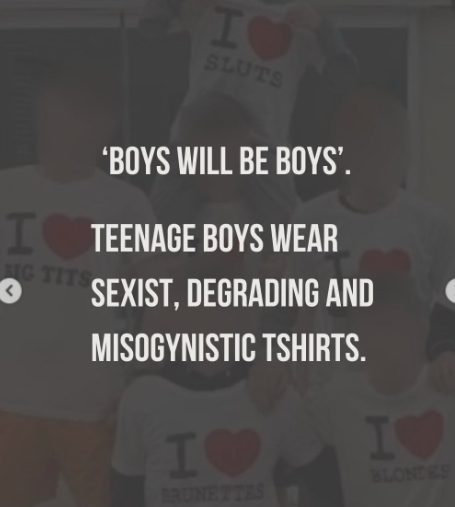
Today’s blog is a co-sign and framing of a post on Instagram by @responsive_parenting concerning shirts teenage boys wore to a school function. I picked this one today because it struck a nerve about something I’ve seen far too often since entering the high school coaching space almost three years ago: “White Lies” themed T-shirt nights at sporting events.
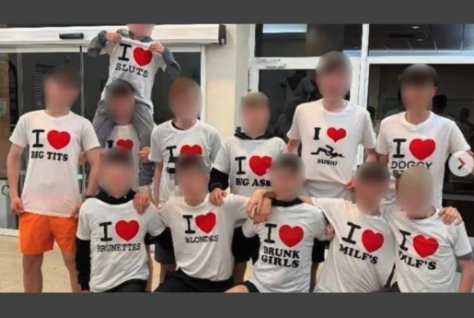
If you haven’t experienced one of these before, in essence it encourages anyone attending a specific team’s game (including players themselves warming up on the court of play) to wear a plain white T-shirt with Sharpie-written “lies” about themselves. Why is this an issue? Because more often than not, teenagers decide the messaging on their shirts should move past a lighthearted fib like “I love homework” and all the way into manosphere-laced misogyny, sexual objectification, and degrading humor (see the shirts in the screenshots above).
These terrible shirts are paraded around a gym as funny, when really they become excuses to do exactly what the original post is calling out.
Why does this matter for TeamsOfMen and for coaches of male athletes?
Because moments like this are opportunities to interrupt nonsense, model what you allow in your spaces, and evaluate just how deeply the manosphere, pornography, and misogynistic humor have already rooted themselves in the minds of young men.
To begin with, you as the coach absolutely have the right to say, “No, we’re not doing a White Lies night at our game.” Like, it really can be that simple. “No. We don’t want it.” And if your players push back with, “Well, no one will come then,” you can either double down with, “Then we better do a better job of playing a style that attracts people without the bullshit,” or pivot toward, “Then let’s make a free team shirt the giveaway instead.” Either one works because both shift the emphasis back where it belongs: on your players earning an audience rather than becoming the side attraction to a harmful T-shirt runway show.
Now, if you’re at an event like this that you can’t control, then you and your staff need to start paying attention. Write down what you see on the shirts. Then sit together afterward and ask yourselves: “How would he gain access to this language?” “Why do they think that’s funny instead of insulting?” and “Why does hiding behind ‘it’s just a joke’ suddenly make harmful messaging feel acceptable in public?”
Once you have your list and have done a real debrief as a staff, go to administration and say, “Look at what the environment the other night was infused with. We need to address this.”
And then see what happens.
(Oh, and if you’re really interested in changing the vibe… CALL US.)
Coach Prompts
What school traditions are quietly normalizing misogyny or harmful humor without adults challenging it?
If your players wore their online influences on a shirt, what would you learn?
What message does silence from adults send in moments like this?
Player Prompts
Why do people sometimes laugh at things they would never say seriously out loud?
When does “just joking” stop being harmless?
What kind of environment do you actually want your games and school events to feel like?