
What Changed When I Rewrote Two Questions?
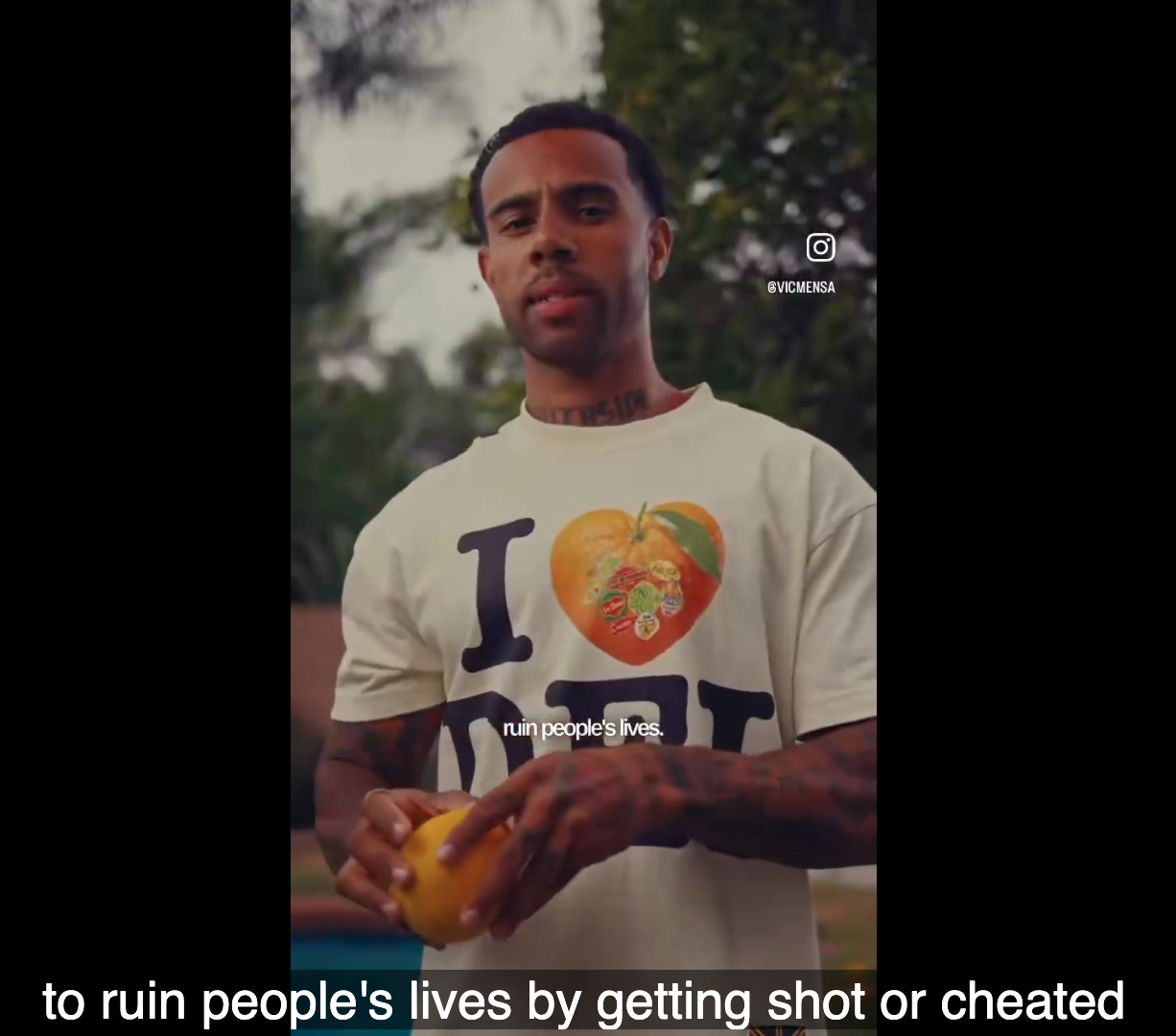
I’ll be honest: I just checked my Spotify library for any Vic Mensa tracks and I don’t have ANY. I should probably dive into his catalog more because I’ve written about his social commentary on here before and watch at least 1-2 of them every week. He is typically SPOT ON in his critiques of the social norms and realities of racism and misogyny in this country and if you’re a coach of male athletes (especially one with a diverse locker room) you should follow him as well.
This week's video is especially poignant—and immediately usable in your team space—because he takes on the classic Manbox trope that men's body counts are a badge of honor while women's are, as he states, "used as justification that she should be shot." He's talking specifically about the criticism Meg Thee Stallion has received, with people claiming she needs to stop ruining men's lives despite the fact that NBA star Klay Thompson cheated on her and hip hop artist Tory Lanez shot her.
If I were in your team room, I'd have those two incidents written on a whiteboard under a picture of Meg. The headers would read:
"What happened with her NBA relationship?"
"What happened with her hip hop relationship?"
Then I'd ask the guys to tell me the story.
I'd listen carefully—not just for what facts they remember, but for who ends up at the center of the story. Who gets named first? Who gets the most attention? Who becomes the subject of the conversation, and who becomes almost an afterthought?
Then I'd stop them.
"Guys, I actually wrote those prompts wrong."
I'd erase them and replace them with:
"What did Klay Thompson do to his girlfriend?"
"Why did Tory Lanez shoot his partner?"
Then I'd ask what changed.
If they immediately recognize why those questions feel different, you have a tremendous opportunity to talk about how the Manbox shapes not just our opinions, but the way we tell stories. Who becomes the main character? Who gets framed as the victim? Who quietly disappears from accountability?
If they don't notice the difference, that's valuable information too. It tells you there is work to do—not because they got the "wrong" answer, but because they haven't yet learned to notice how framing influences what we see.
Coaches Prompts
When your players tell a story involving harm, who do they naturally center?
How often do you rewrite questions instead of just asking better follow-up questions?
What other headlines could reveal invisible framing in your locker room?
Players Prompts
Why do some stories focus more on what happened to a woman than on what a man chose to do?
Can changing one question change who feels responsible?
When you retell a story, who gets the most airtime—and why?