Yes, I have written about this topic before (click here).
Yes, it wasn't that long ago. Maybe three months ago.
But the reason I'm reupping and sharing this today is twofold:
I KEEP HEARING it and READING it. Young men saying and posting things like "Females be wanting to..." or "All y'all females are..." and it's maddening.
I REALLY REALLY wanted to write about the Midterms. But I'm still not sure a large portion of you all are willing to engage in that conversation.
The "blue wave" went bananas last night.
Democrats took back the House and Senate, won a majority of governorships and delivered some remarkable results in traditionally Republican states like Texas and Iowa. And as I write this, Mississippi is still a race worth watching.
I COULD and WANT to write about all the ways those election results could benefit getting violence prevention work properly funded, the workers in those fields adequately paid, and actual prioritization of that work on campuses and school grounds becoming the norm instead of the exception.
But, to this day, many of you won't address these conversations under the guise of "our team room is politics free."
As if your lack of funding for your program isn't directly tied to public school budgets allocated by your city, state and the federal policies of the moment.
As if the way you can hand out accountability in your space isn't tied to school policies influenced by elected officials who may never step foot in your gym.
As if the idea that some of your players can freely travel to any road game in any state while others have to worry about immigration enforcement in certain locales doesn't affect your trip planning.
As if the racist, homophobic and sexist language your players encounter (and sometimes repeat on your team bus) exists completely separate from the rhetoric being modeled by people in positions of political power.
And as if the kids in your team room aren't already talking about all of this, whether you're willing to participate or not.
Fine.
I won't write anymore today about why yesterday matters, what could change because of it, or why the young people in your space deserve real conversations about what was at stake. Conversations about what happens next, whether they agree or disagree with the results, and how they'll eventually be asked to participate in nights like that themselves as adults.
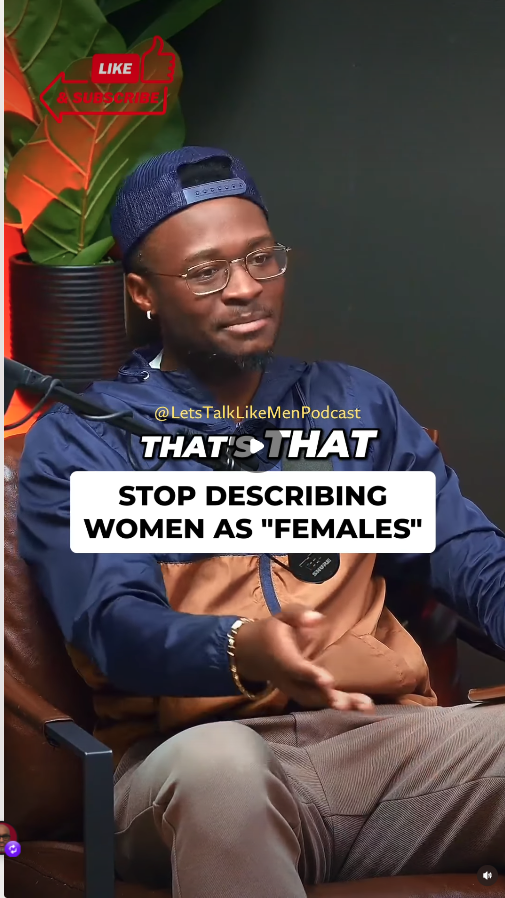
Instead, I'll ask you to watch the video above and stop referring to women as "females."
Because apparently, even that conversation still needs repeating.
But I'll leave you with this: If we're unwilling to engage our players in conversations about the world shaping their lives, we shouldn't be surprised when someone else does it for us.
Coach Prompts
When you tell your players that your team room is "politics free," what conversations are you actually removing from that space? Who benefits from those conversations being avoided, and who might be harmed?
How do decisions made by elected officials influence your program's funding, policies, travel, and the experiences of the athletes you coach? How many of those connections have you intentionally discussed with your players?
When you hear players refer to women as "females," do you interrupt it, ignore it, or even use that language yourself? What might your response communicate about how women are viewed in your team culture?
Player Prompts
Agree, Disagree or Unsure: Coaches should keep politics completely out of their team rooms, even when political decisions directly affect their players.
What's the difference between calling someone a "woman" and referring to her as a "female"? Why do you think some women object to that language, and does their objection matter to you?
What is one political decision or policy that directly affects your life as a student-athlete? Who made that decision, and how much influence do you think you have over decisions like it?