What Are the Other 20 Players Doing?
Our blog today is going to be one of those “Where’s Waldo” type film exercises. I say that knowing that I am both DATING the hell out of myself (as Waldo picture books where you had to physically search high and low on a page for Waldo’s red and white hat are a thing of the past) and asking you to deploy a “gotcha” type moment in your film room.
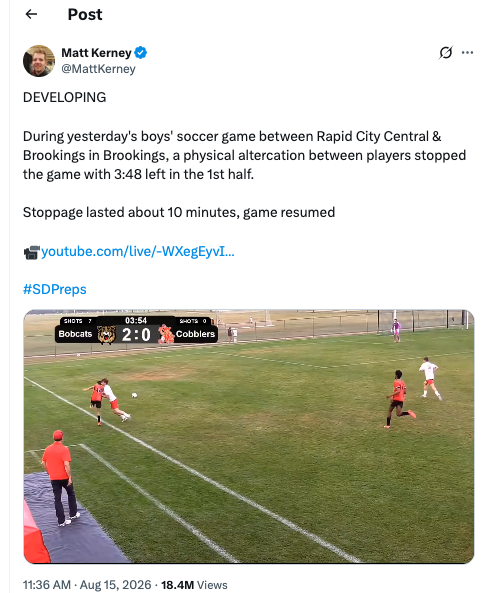
Background first: the screengrab above is allegedly from film from a South Dakota HS soccer game (originally posted here). The first 10-20 seconds are just soccer action but I think that is the hook setting you need for a TeamsOfMen session impact here. As the game plays out you get the moment above where competitive intensity turns into a violent assault by one of the players against an opponent.
Yes, you can (and probably should) stop the film then and there to talk about emotional fluency and processing on the field (note: this film works for any sport, not just soccer). That’s fine, especially for a first year, first month or first exposure ToM program.
But, where the real work can happen is letting it play after that and stopping the film at say the point below.
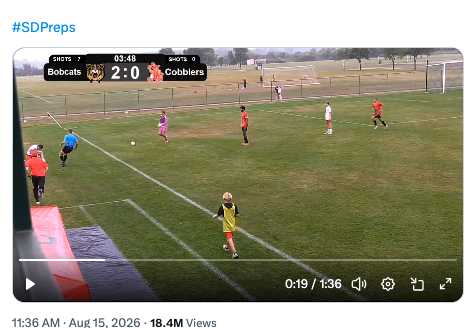
And I say that because the assault is happening. The defender is on top, wailing away with punches at the offensive player.
Now LOOK AROUND.
Ask your players to SCAN the rest of the field. Who is reacting to this? Who is MOVING to this? Who, in the moment, has the courage to go over and STOP THIS? Literally ask them for body counts, for descriptions of age, of team affiliation, etc.
You are going to be able to have a myriad of conversations from this film, including but not limited to:
Look at the teammates FROZEN of the attacker. Why aren’t they rushing to stop him? Is staying out of it necessarily the wrong response?
Look at the teammates of the kid being assaulted. How are they reacting? What would you do?
One teammate eventually comes flying into the situation and reportedly throws punches himself. Is that protecting his teammate—or escalating the violence? Where's the line?
If this was your teammate and he came back to the bench after tackling and punching an opponent, what would you say to him? Why?
Where are both teams' coaches? Did they get there in time in your opinion? What should they do next?
Hell, I’m interested in the comments you could record during playing of the clip from you team. What was the breakdown of laughs, shock and silence? What does that tell you about your program climate and culture?
Email me any and all feedback!
Coach Prompts
When violence suddenly happens, what do your players believe “having your teammate's back” requires them to do?
Have you ever explicitly discussed the difference between protecting a teammate and retaliating for one?
What did your players' first reactions to this video reveal that their polished answers afterward might not?
Player Prompts
Forget the two players on the ground. Who else on the screen made a decision you noticed?
If someone attacks your teammate, what does “having his back” actually require from you?
Where is the line between protecting your teammate and becoming another person who needs to be stopped?
The attacker makes one decision. Everybody else on that screen suddenly has to make one too.
And most of them don't have time for a team meeting, a coach's speech or a reminder of your program values before making it.
That's Decision Confidence.
The TeamsOfMen Decision Confidence Analysis™ (DeCA) asks coaches to examine whether they've intentionally built the systems, conversations and repetitions that prepare athletes for moments exactly like this one—when the coach isn't standing beside them telling them what the right decision is.