
Words We Shouldn't Be Afraid Of

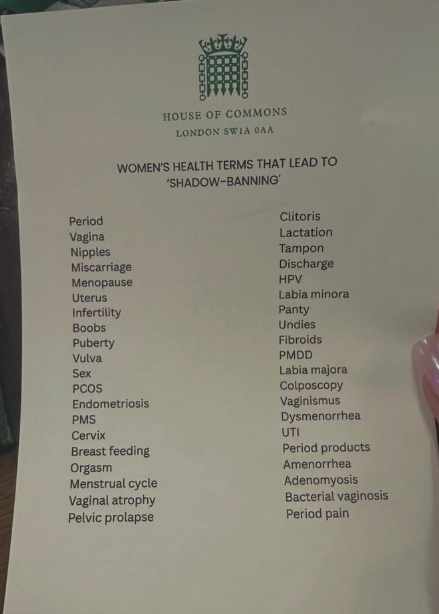
There was a post I came across in my scrolling recently by Dr. Gracie McLaven (a clinical psychologist) on LinkedIn. It immediately grabbed my attention because of the list of terms she provided that seemed to trigger shadow banning on that (and other social media) platforms. I provided the definition of shadow banning in the title image for this post, but in essence, it's the suppression of content based on words you use without you necessarily being aware your posts are being stifled.
Now scroll below and look at the list of terms that Dr. McLaven and others discovered can lead to being shadow banned. Ask yourself: Are these really things to be muted? Scared of? So terrifying that posts containing them should be limited or hidden?
They're fairly mundane, accurate scientific terms referring to women's anatomy, health, and bodily functions.
You cannot be a TeamsOfMen coach and be scared of these terms.
If you're thinking, "Kip, my guy, my admin, my parents, or my players are scared of these terms," then we know exactly where the work is. We need conversations with those stakeholders about why that discomfort exists in the first place.
Our players (their sons, their students) cannot possibly develop respect for women or learn how to treat women well if we can't even say words related to women's anatomy or day-to-day bodily functions around them. If basic biology becomes taboo, we've already taught a lesson. Just not the one we intended.
Take off the earmuffs.
Coach Discussion Prompts
Are there words or topics related to women's health that we avoid discussing around our athletes? Why?
What lessons do players learn when adults treat basic anatomy as taboo?
How does discomfort with these conversations impact our ability to teach respect and healthy relationships?
Player Discussion Prompts
Why do you think some of the words on this list make people uncomfortable?
What message do boys receive when normal discussions about women's bodies are avoided?
Can someone truly respect another person's experience if they refuse to learn about it? Why or why not?